
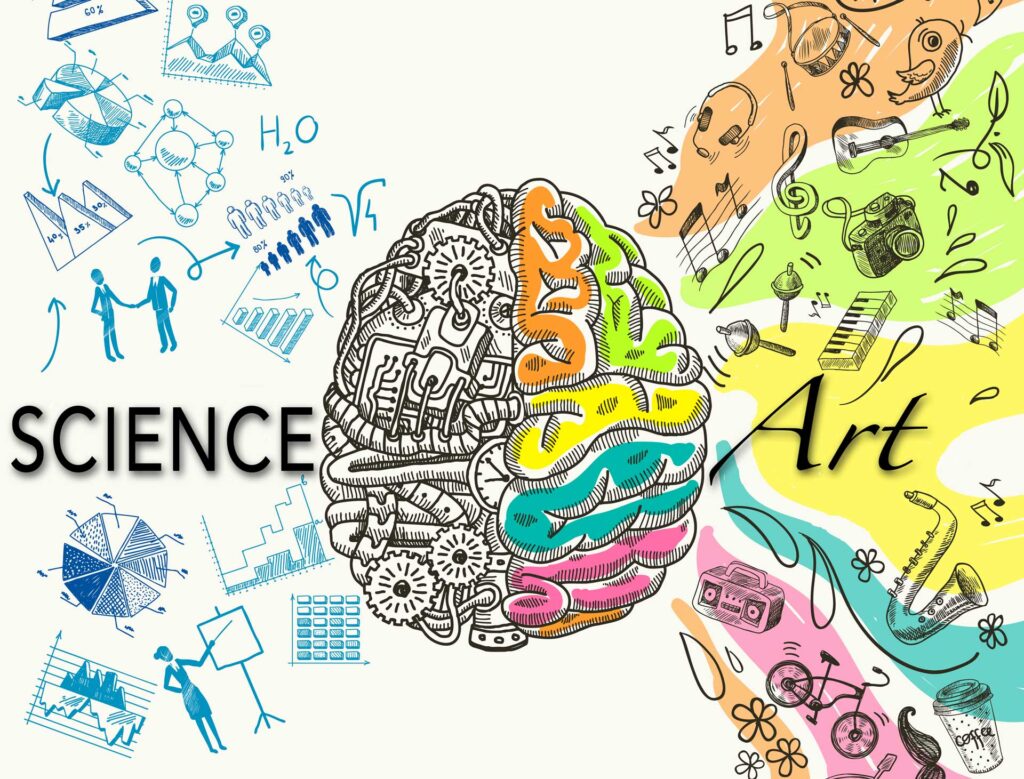
In today’s fast-paced and technology-driven world, Effective digital marketing has become a vital tool for businesses seeking to reach and engage with their target audience. However, amid the ever-changing landscape of social media algorithms, SEO best practices, and the constant influx of new platforms and technologies, mastering the art and science of effective digital marketing has become an essential challenge for marketers everywhere. From crafting compelling content to leveraging data analytics and understanding consumer behavior, the intricacies of successful Effective digital marketing require a delicate balance of creativity and strategy. Amidst this complexity lies an exciting opportunity for businesses to not only connect with their customers but also drive meaningful results. The artistry behind storytelling that resonates with audiences on a personal level is just as crucial as the scientific precision required to optimize ad campaigns for maximum ROI. This article delves into the multifaceted nature of effective digital marketing, exploring how creative innovation intersects with data-driven decision-making to captivate consumers in today’s crowded online marketplace. Whether you’re a seasoned marketer or just dipping your toe into the world of digital advertising, understanding this dynamic interplay between art and science is key to staying ahead in an ever-evolving industry.
Unleashing the Power of Data in Effective Digital Marketing
In the world of digital marketing, data holds the key to unlocking unprecedented success. By harnessing the power of data analytics, marketers can gain invaluable insights into consumer behavior, preferences, and trends. This allows for the creation of highly targeted and personalized campaigns that resonate with audiences on a deeper level. Moreover, leveraging data can enable marketers to optimize their strategies in real time, ensuring that every dollar spent delivers maximum impact.
One fresh perspective is that data-driven Effective digital marketing goes beyond just targeting specific demographics; it’s about understanding individual consumer needs and tailoring messaging accordingly. This level of personalization fosters trust and loyalty, ultimately leading to higher conversion rates for businesses. Additionally, embracing data allows for constant refinement and adaptation of marketing efforts based on real-time feedback, keeping campaigns relevant in an ever-evolving digital landscape.
To truly unleash the power of data in Effective digital marketing requires a shift from traditional approaches to a more agile and responsive mindset. Embracing innovative technologies and analytical tools empowers marketers to stay ahead of the curve and drive effective results in today’s dynamic online environment.
The Psychology of Persuasive Copywriting in Digital Marketing
Effective digital marketing relies heavily on the psychology of persuasive copywriting to engage and convert consumers. Understanding how the human mind processes information and makes decisions is crucial in crafting compelling content that drives action. Cognitive biases such as social proof, scarcity, and authority play a significant role in influencing consumer behavior online. Leveraging these psychological triggers can help copywriters create more persuasive and impactful messaging that resonates with their target audience.
In Effective digital marketing, the art of persuasion lies in writing copy that taps into the emotions, desires, and pain points of the audience. By understanding their needs and motivations, copywriters can tailor their messaging to evoke specific emotional responses that prompt action. Using techniques like storytelling, sensory language, and framing can help craft a narrative that not only captures attention but also compels readers to take the desired action. Ultimately, effective digital marketing hinges on understanding how psychology influences consumer behavior and using this knowledge to create captivating copy that drives results.
Harnessing the Visual Element: Design Strategies for Digital Marketing
In the world of digital marketing, leveraging the visual element is crucial for capturing and retaining audience attention. Design strategies play a pivotal role in creating an impactful Effective digital marketing campaign. Incorporating eye-catching visuals, such as high-quality images, infographics, and videos, can significantly enhance engagement and convey a brand’s message effectively. Additionally, utilizing consistent branding elements across various digital platforms helps to reinforce brand identity and build trust with the audience.
Furthermore, understanding the psychological impact of colors on consumer behavior is essential for effective digital marketing design. Different colors evoke specific emotions and associations, which can be strategically used to influence purchasing decisions and brand perception. Moreover, prioritizing mobile-friendly designs is imperative in today’s digital landscape as more users access content through their mobile devices. Ensuring that all visual elements are responsive and optimized for a seamless user experience across different screen sizes is key to successful digital marketing efforts.
Navigating the Algorithms: SEO Secrets for Digital Marketers
In the fast-paced world of digital marketing, navigating the ever-changing algorithms can feel like an uphill battle. However, understanding the secrets to effective SEO is crucial for any digital marketer aiming to stay ahead in the game. One key insight to keep in mind is that search engines are continuously evolving, placing a higher emphasis on user experience and quality content. As such, digital marketers need to prioritize creating valuable, engaging content that resonates with their target audience. This means focusing not only on keyword optimization but also on delivering informative and impactful messaging that truly connects with users.
Another important aspect of effective digital marketing lies in the power of data analysis. By leveraging analytics tools to track user behavior and engagement metrics, marketers can gain deeper insights into their audience’s preferences and behaviors. This enables them to make informed decisions about content creation, site optimization, and overall marketing strategies. The interplay between data-driven insights and creative content creation forms a powerful combination for digital marketers looking to thrive in an increasingly competitive online landscape. By harnessing these SEO secrets and embracing a holistic approach that prioritizes both technical optimization and user-centric content, marketers can navigate the algorithms with confidence and drive meaningful results for their brands.
Influencer Impact: Leveraging Social Media in Digital Marketing
In today’s digital age, the impact of influencers in leveraging social media for digital marketing cannot be overstated. With their ability to connect with audiences on a personal level, influencers have become essential players in effective digital marketing strategies. By partnering with the right influencers whose values align with those of the brand, companies can increase their reach, enhance authenticity, and drive engagement. In addition, influencer marketing has proven to be an effective way to humanize a brand and make it relatable to consumers on social media platforms.
Furthermore, the diverse nature of influencer content allows brands to tap into different demographics and niche markets that traditional advertising might miss. This enables companies to tailor their messaging more effectively and reach specific target audiences with precision. The use of influencers also provides an opportunity for brands to generate user-generated content through partnerships and collaborations – further expanding their reach and creating genuine connections with potential customers. As social media continues to evolve, it is clear that influencers will remain vital in propelling digital marketing efforts forward by helping brands stay relevant and impactful in the ever-changing landscape of online consumer behavior.
Conclusion: The Art and Science of Effective Digital Marketing
In conclusion, the art and science of effective digital marketing requires a combination of creativity, strategic thinking, and data-driven decision-making. By understanding the needs and behaviors of the target audience, marketers can create compelling content that resonates with their customers. Furthermore, leveraging advanced analytics tools can provide valuable insights into consumer preferences and trends, allowing for more precise targeting and optimization of marketing campaigns. Ultimately, successful digital marketing blends the art of storytelling with the science of data analysis to deliver impactful messages and drive measurable results. As businesses continue to navigate the ever-evolving digital landscape, it is imperative to embrace both the artistic and scientific aspects of digital marketing to stay competitive in today’s market.
—————————————————————————————————————————-
FAQs
Q: What is digital marketing?
A: Digital marketing refers to the use of online channels and technology to promote products or services to a targeted audience.
Q: Why is digital marketing important?
A: Digital marketing allows businesses to reach a larger audience, track and measure their campaigns, and engage with potential customers in real-time.
Q: What are the key components of effective digital marketing?
A: Key components include SEO, social media marketing, content marketing, email marketing, and paid advertising.
Q: How can I measure the success of my digital marketing efforts?
A: Success can be measured through metrics such as website traffic, conversion rates, engagement levels, and return on investment (ROI).
Q: What are some common digital marketing mistakes to avoid?
A: Common mistakes include not having a clear strategy, ignoring mobile users, inconsistent branding, and neglecting to track and analyze data.
Q: How can I improve my website’s search engine ranking?
A: Improving search engine ranking involves optimizing your website for relevant keywords, creating high-quality content, and building backlinks from reputable sources.
Q: What role does social media play in digital marketing?
A: Social media provides a platform for businesses to connect with their audience, share content, build brand awareness, and drive traffic to their websites.
Q: How can I stay updated on the latest trends in digital marketing?
A: Staying updated involves following industry blogs, attending webinars or conferences, networking with professionals in the field, and continuously learning about new tools and techniques.