
In today’s digital landscape, the power of Google Ads strategies cannot be overstated. With millions of businesses vying for consumer attention online, crafting effective Google Ads strategies has become a crucial element in driving traffic and conversions. Whether you’re a seasoned marketer or just dipping your toes into the world of online advertising, understanding how to leverage Google Ads effectively can make all the difference in achieving your business goals.
Maximizing Ad Spend: Strategies for Google Ads Success
Maximizing ad spending on Google Ads strategies is crucial for achieving successful results. One effective strategy is to focus on relevant keywords that have high search volume and low competition. By targeting these keywords, your ads are more likely to be seen by a larger audience, increasing the chances of clicks and conversions. Additionally, leveraging ad extensions such as site links, callouts, and structured snippets can enhance your ads with additional information and increase their visibility.
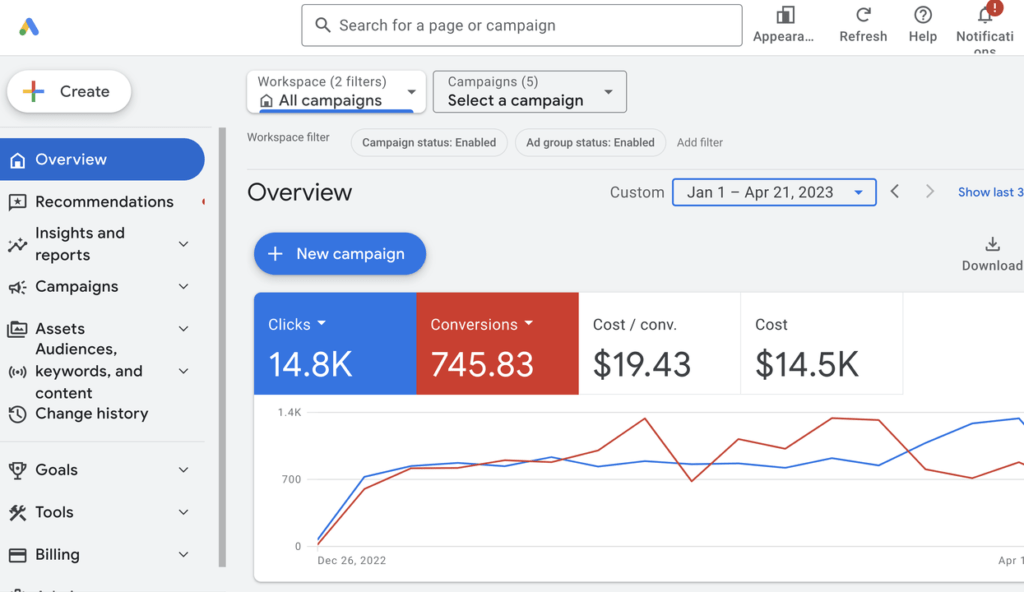
Furthermore, split testing different ad variations allows you to identify which elements resonate best with your target audience. Testing headlines, descriptions, and calls-to-action can help optimize your ads for maximum performance. Moreover, it’s essential to continuously monitor and analyze the data from your campaigns in order to make informed decisions about where to allocate your ad spend most effectively. By implementing these strategies into your Google Ads strategies campaigns, you can maximize the impact of your ad spend and drive better results for your business.
Unlocking the Power of Keywords: Google Ads Optimization Tips
Unlocking the power of keywords is essential for optimizing Google Ads strategies and maximizing the impact of your advertising efforts. Instead of simply selecting broad or generic keywords, diving deep into keyword research to find long-tail, specific keywords can significantly boost your ad performance. By incorporating negative keywords, you can refine your targeting even further, ensuring that your ads are reaching the most relevant audience.
Moreover, leveraging dynamic keyword insertion in your ad copy allows you to tailor your messaging to match the exact search terms users are inputting. This level of personalization can greatly enhance click-through rates and conversion rates. Additionally, continuously monitoring and refining your keyword strategy based on performance data is crucial for staying ahead in the competitive landscape of online advertising. Regularly identifying new trending keywords and adjusting bids accordingly will keep campaigns optimized for maximum ROI.
Beyond the Click: Conversion-Boosting Tactics for Google Ads strategies
When it comes to Google Ads strategies, capturing a user’s click is just the beginning. To truly maximize your advertising ROI, it’s essential to focus on conversion-boosting tactics that go beyond the initial click. One effective strategy is to refine your ad messaging to align with specific stages of the customer journey. By tailoring your ads to address different pain points or needs at each stage, you can increase the likelihood of conversion.
Furthermore, utilizing ad extensions can provide additional opportunities for engagement and conversions. These extensions allow you to include extra information such as call buttons, location details, and pricing options directly within your ad. This not only enhances the visibility and relevance of your ads but also presents valuable information upfront, potentially driving higher-quality leads with stronger purchase intent.
The Art of Ad Copywriting: Crafting Compelling Google Ads
Crafting compelling Google ads strategies is an art that requires a deep understanding of both the audience and the platform itself. Successful ad copywriting on Google involves not only engaging headlines and persuasive body text but also strategic use of keywords to ensure maximum visibility. By aligning ad copy with specific search queries and incorporating relevant keywords, advertisers can tailor their messaging to capture the attention of potential customers at the right moment.
Moreover, implementing emotional triggers in ad copy can significantly enhance its effectiveness. Connecting with audiences on an emotional level through storytelling or tapping into their desires and pain points can create a strong impact and drive higher engagement. In addition, utilizing dynamic keyword insertion (DKI) can personalize ad content based on users’ search terms, making the ads more relevant and appealing. Ultimately, mastering the art of ad copywriting for Google ads strategies means finding a balance between creativity, relevance, and strategic placement within the platform’s ecosystem for optimal results.
Cracking the Code: Advanced Targeting Techniques for Google Ads
Cracking the code of advanced targeting techniques for Google Ads strategies requires a deep understanding of audience segmentation and behavior. Leveraging customer data, such as previous interactions and demographics, can enable hyper-targeted campaigns that speak directly to individual needs and interests. By tapping into advanced targeting options like custom intent audiences and in-market audiences, advertisers can pinpoint specific customer segments with precision, driving higher engagement and conversions.
Moreover, considering the influence of contextual targeting is crucial to achieving success with Google Ads strategies. Aligning ad content with relevant website content or keywords enables advertisers to reach potential customers at the most opportune moments. Additionally, incorporating remarketing tactics allows for the re-engagement of individuals who have previously shown interest in a product or service, presenting an invaluable opportunity to capture conversions. Ultimately, mastering these advanced targeting techniques is essential for maximizing the effectiveness of Google Ads strategies campaigns and staying ahead in today’s competitive digital advertising landscape.
In conclusion, by leveraging these advanced targeting techniques within Google Ads strategies—custom intent audiences, in-market audiences, contextual targeting, and remarketing—advertisers can elevate their campaigns’ performance by delivering highly personalized messaging to interested prospects at critical points in their purchasing journey. Understanding how to apply these strategies effectively empowers advertisers to crack the code of reaching the right audience with tailored messages that drive superior results.
Conclusions: Google Ads Strategies: Driving Traffic and Conversions
In conclusion, Google Ads is a powerful tool for driving traffic and conversions when used effectively. By implementing strategies such as keyword targeting, ad extensions, and audience segmentation, businesses can maximize their reach and impact. It is essential to continuously monitor and optimize campaigns to ensure they are delivering the desired results. With the right approach, Google Ads strategies can be a game-changer for businesses looking to boost their online presence and drive meaningful conversions. Embracing these strategies will not only increase website traffic but also enhance overall business growth and success. Take the time to refine your Google Ads strategy and watch as your traffic and conversions soar.
FAQS
Q: What are Google Ads strategies?
A: Google Ads strategies are specific plans and tactics used to maximize the effectiveness of advertising on the Google platform.
Q: How can Google Ads drive traffic to my website?
A: By targeting relevant keywords and audience demographics, Google Ads can attract more visitors to your website.
Q: What is the difference between search ads and display ads in Google Ads?
A: Search ads appear when users search for specific keywords, while display ads are visual banners that appear on websites within the Google Display Network.
Q: How can I optimize my Google Ads for conversions?
A: To optimize for conversions, focus on compelling ad copy, relevant landing pages, and clear calls-to-action.
Q: Are there budget-friendly Google Ads strategies for small businesses?
A: Yes, small businesses can utilize budget-friendly strategies such as long-tail keywords, geographic targeting, and ad scheduling to maximize their ad spend.
Q: Can I track the performance of my Google Ads campaigns?
A: Yes, you can use tools like Google Analytics to track metrics such as click-through rate, conversion rate, and return on ad spend.
Q: How do I target a specific audience with my Google Ads?
A: Use audience targeting options such as demographics, interests, behaviors, and remarketing to reach a specific group of potential customers.
Q: What are some common mistakes to avoid in Google Ads campaigns?
A: Common mistakes include neglecting negative keywords, ignoring ad extensions, not testing different ad variations, and having unclear conversion tracking.